Fire Suppression System Upgrade for Lion Breweries
Case Study

Fire Suppression System Upgrade for Lion Breweries

Case Study

Fire Suppression System Upgrade for Lion Breweries


“TEG proactively developed a tailored procurement strategy and procurement plan, embedding the client’s requirements and shutdown windows into contractual terms. This forward planning enabled swift implementation and ensured uninterrupted business continuity”.

Leading New Zealand brewery, Lion Breweries, engaged TEG Projects to upgrade its fire suppression system in response to new regulations phasing out PFAS-based foams. TEG Projects delivered a two-phase solution—from design to commissioning—without disrupting production, despite complex logistical and regulatory challenges. Close stakeholder coordination and proactive risk management ensured timely compliance and supported the client’s broader goals of safety, sustainability, and operational continuity.

TEG Projects Fire Suppression System Upgrade For Lion Breweries
Fire Suppression System Upgrade for Lion Breweries

    Client Information


    The client, Lion Breweries, is a well-established brewery supplying the New Zealand and international markets with quality alcoholic beverages.

    Goal


    Faced with evolving environmental regulations, the client initiated a fire suppression system upgrade to ensure compliance with new mandates phasing out PFAS-containing foams. The project aimed to replace the existing firefighting foam system with a non-fluorinated alternative, aligning with industry best practices and regulatory deadlines.

    Why TEG Projects


    TEG’s extensive experience in managing utilities projects—particularly within the constrained environments of food and beverage manufacturing—was a key factor in being successfully selected for this project. Moreover, a hallmark of TEG’s delivery model is the seamless integration of team members within the client’s organisation as seconded resources. This approach maximises knowledge transfer, strengthens stakeholder engagement, and fosters a deep understanding of the client’s operational constraints and strategic objectives.

    Solution


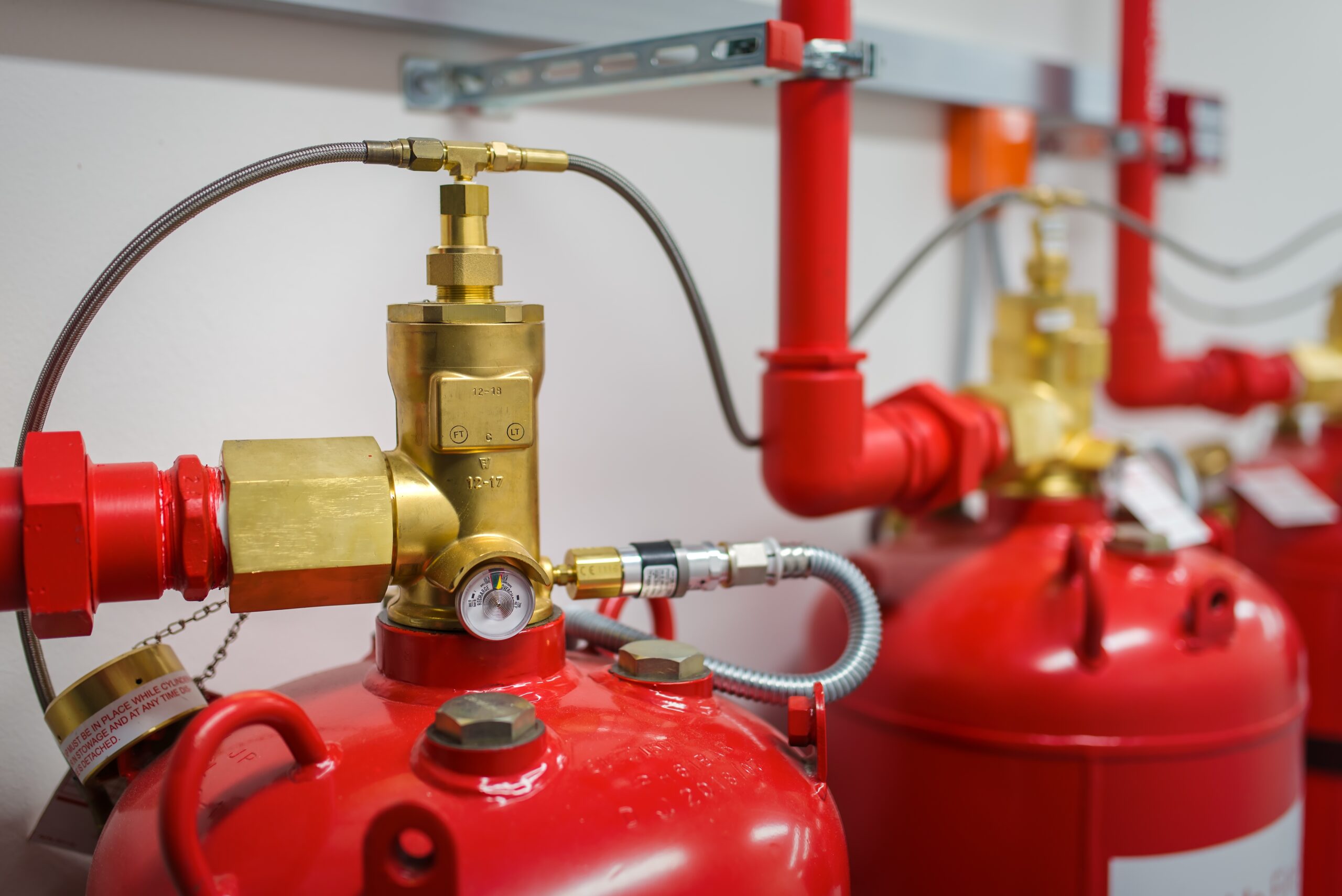
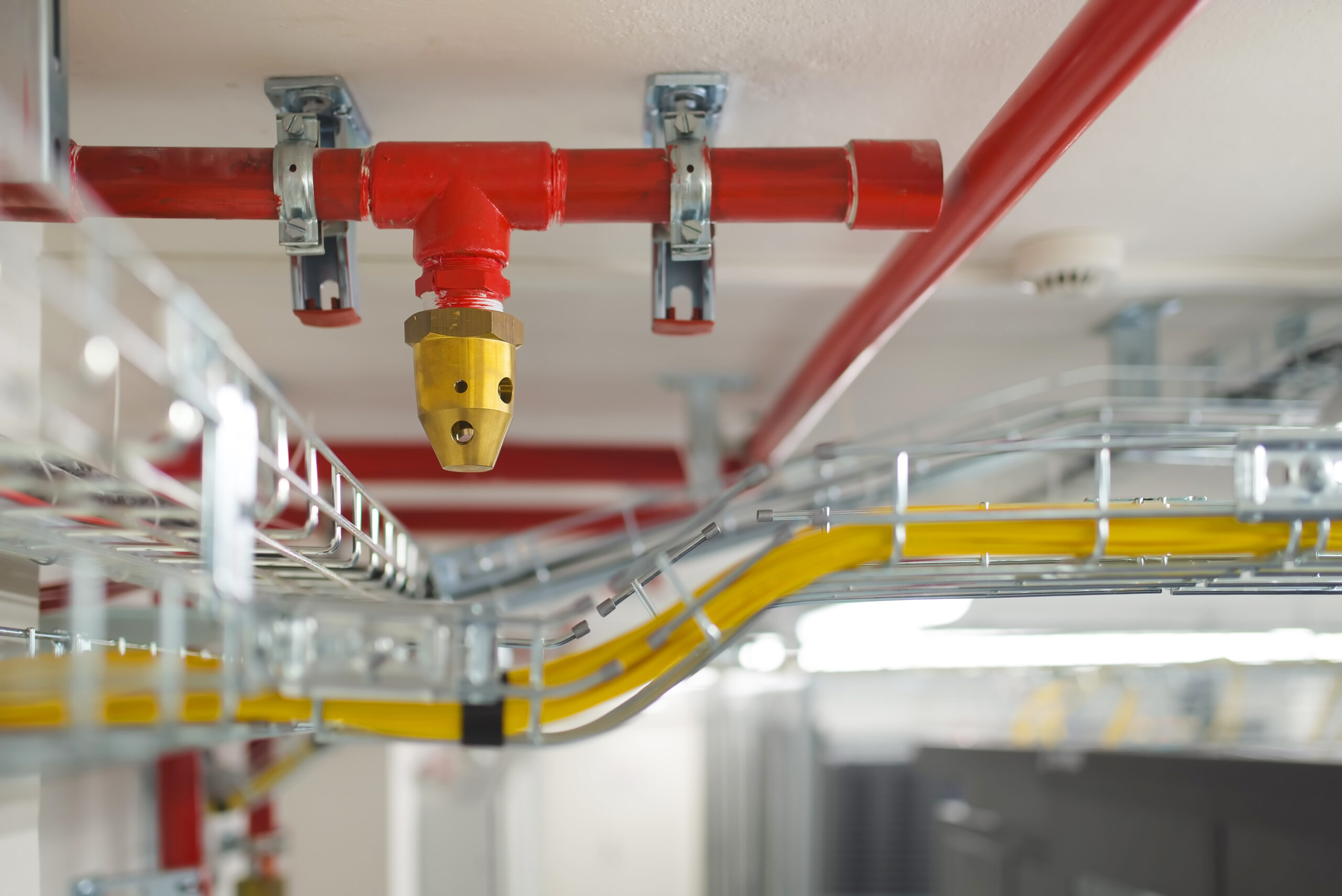
    The upgrade involved significant work to the existing fire suppression infrastructure. Key components included the cleaning of pipework, removal and certified disposal of PFAS foam and equipment, installation of new pipework, valving and foam systems, and commissioning of the upgraded system. The new system is designed to protect a combined floor area of 2500m^2. 

    The project team worked closely with specialist fire protection consultants, engineering consultants, contractors, councils, and certifiers so that the design, specification, and installation of equipment complied with regulatory standards. 

    The project was executed in two phases, with the initial phase focusing on preparatory work to complete preliminary designs for CAPEX cost estimation and the second phase encompassing full system implementation. Coordination with operational shutdowns and can line overhauls ensured minimal disruption. Risk mitigation strategies were developed to address contractor availability, fire impairment challenges, and compliance timelines.

    Challenges


    The objective was to decommission the existing system and implement a compliant solution without disrupting ongoing operations. The project required navigating complex design considerations due to the novelty of the fire system, stringent disposal requirements, and coordination across multiple stakeholders with varying levels of authority. To address this, TEG established structured and routine communication channels throughout the planning and execution phases. This included monthly engagement with environmental directors, process safety governance, safety & wellbeing, and insurance teams, as well as more frequent coordination with beverage production, maintenance, quality and production planning teams to ensure stakeholder alignment and awareness.

    The primary challenge was achieving compliance with environmental regulations within the mandated timeframe while maintaining uninterrupted operations. Failure to meet the deadline posed significant risks, including potential fines, insurance complications, and operational shutdowns due to non-compliance. Given the scale of work required, TEG collaborated closely with production planning and scheduling teams to coordinate necessary production shutdowns, ensuring alignment with operational constraints.

    The project also encountered logistical complexities in aligning shutdown periods with contractor availability, particularly due to the specialist nature of the work. This was further compounded by a limited pool of fire contractors experienced with PFAS, and heightened demand across New Zealand as multiple businesses sought to implement similar changes. In response, TEG proactively developed a tailored procurement strategy and procurement plan, embedding the client’s requirements and shutdown windows into contractual terms. This forward planning enabled swift implementation and ensured uninterrupted business continuity.

    Additionally, TEG’s expertise in hazardous environments enabled early identification of risks. Safety in Design principles and risk reviews were embedded into project milestones, allowing for proactive development of controls and mitigations to support successful execution.


    Results


    The fire suppression upgrade positioned Lion Breweries for long-term compliance and operational resilience. By proactively addressing regulatory changes, the client safeguarded its facilities and maintained continuity in production. The project also supported broader strategic goals related to facility modernisation and environmental stewardship.