


Case Study
Bottle Height Checker Replacement Project
Case Study
Bottle Height Checker Replacement Project
TEG Projects brought extensive experience within the food and beverage manufacturing sector to the delivery of this upgrade, including ten years of on-site involvement with the client’s operations.
TEG Projects delivered a $750,000 upgrade to bottle height inspection technology for one of New Zealand’s leading breweries, replacing legacy gamma radiation systems with advanced sonar-based units. Completed during a complex winter shut, the brownfield project enhanced quality control, reduced radiation risk and strengthened maintenance capability through improved data and valve feedback functionality.
Client Information
The client, one of New Zealand’s leading breweries, produces several million bottles of beer annually. Operating at this scale demands precision, efficiency and uncompromising quality standards across every stage of the production process.
Delivery of the project required close collaboration with multiple internal stakeholders, including production, quality assurance, engineering and planning teams. Aligning these functions was critical to ensuring the new system could be integrated seamlessly into live operations without disrupting output or compromising product standards.
Goal
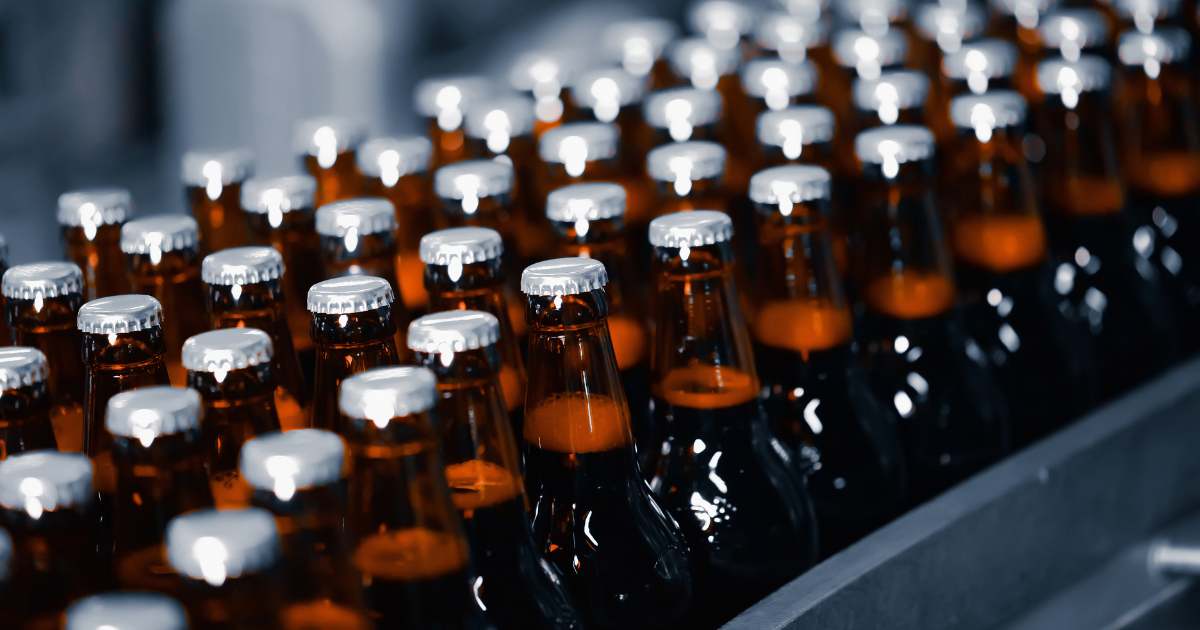
The objective of the project was to further enhance quality control performance on the glass bottling line by replacing the existing bottle height inspection units with a newer, more advanced model.
While maintaining core inspection capabilities, including bottle height verification, cap detection and metal detection, the upgraded system introduced additional functionality to strengthen overall line oversight. This included foaming detection and integrated data collection, providing improved visibility of performance across the bottling process.
A key benefit of the new technology was its ability to deliver filling valve feedback, enabling the engineering team to undertake more targeted and efficient maintenance activities. By generating more detailed operational data, the system supported a proactive approach to equipment management.
The new inspection units utilised sonar technology to determine fill heights, replacing the previous gamma radiation-based system. In addition to improving functionality, this transition reduced radiation sources on site.
A capital budget of approximately $750,000 was allocated to remove the legacy equipment and integrate the new technology into the operational glass line.
Why TEG Projects
TEG Projects brought extensive experience within the food and beverage manufacturing sector to the delivery of this upgrade, including ten years of on-site involvement with the client’s operations. This established understanding of the facility, its processes and stakeholder environment supported efficient project coordination and informed decision-making throughout the engagement.
TEG Projects’ experience spans the full project lifecycle, from researching and assessing suitable machinery through to managing tender processes and overseeing installation and commissioning. This end-to-end capability ensured the replacement technology was carefully selected and effectively integrated into the operational glass line.
In addition, TEG Projects leveraged its established network of contractors and specialist suppliers within this area of work, supporting a structured and well-managed delivery approach.
Solution
Following vendor selection, TEG Projects was engaged to deliver the Bottle Height Checker replacement project. A supply and installation contract was prepared and submitted for the client’s legal review. After careful negotiation, the agreement was executed, and installation was formally scheduled to align with the 2025 winter shut.
The project was planned to integrate new inspection units into an existing glass bottling line. Mechanical and automation specialists were engaged to support the integration of the new equipment with legacy systems, ensuring compatibility and reliable performance within the operational environment.
Commissioning activities were carefully aligned with the production schedule. Engineers were mobilised to coincide with the first production runs of approximately 40 unique products, allowing validation and fine-tuning to occur in real time. Following completion, the client team was equipped with the capability to independently adjust, optimise and commission new products as required.
Challenges
Delivery during the 2025 winter shut presented scheduling complexity, with several neighbouring capital and maintenance projects occurring concurrently. Close coordination with project and maintenance managers was maintained throughout planning and execution, with structured work area segregation implemented to ensure activities did not interfere with one another.
As a brownfield upgrade, the integration of new technology into existing infrastructure introduced technical challenges that required specialist expertise and detailed planning.
Two months prior to commissioning, it became clear that available resources would be insufficient to complete the project without impacting the production schedule. In response, contingency funds were allocated to secure additional personnel. This proactive decision protected the production plan and ensured the commissioning timeline remained achievable.
Results
The new Bottle Height Checkers were successfully installed and commissioned in line with the production schedule, with the project delivered only 3% over the allocated budget.
The upgraded system has empowered the client’s team to operate and optimise the devices independently. The integrated filling valve feedback functionality is now being used by the maintenance team to promptly identify and rectify faults, helping to prevent out-of-specification product and reduce potential waste.
In addition to improved operational capability, the transition from gamma radiation-based technology to sonar measurement has resulted in the removal of two radiation sources from the production area.